
Earn your first IT certification — starting from zero
Tech+ Foundations walks you through every official CompTIA Tech+ (FC0-U71) exam objective in plain English — hardware, operating systems, networking, security, and beyond — so you can pass with confidence and step into a tech career on solid ground.

"I built this course on one conviction: if the concept isn't clear yet, that's on the explanation — not on you."
— GCSE Courses
What you'll learn
What you'll be able to do
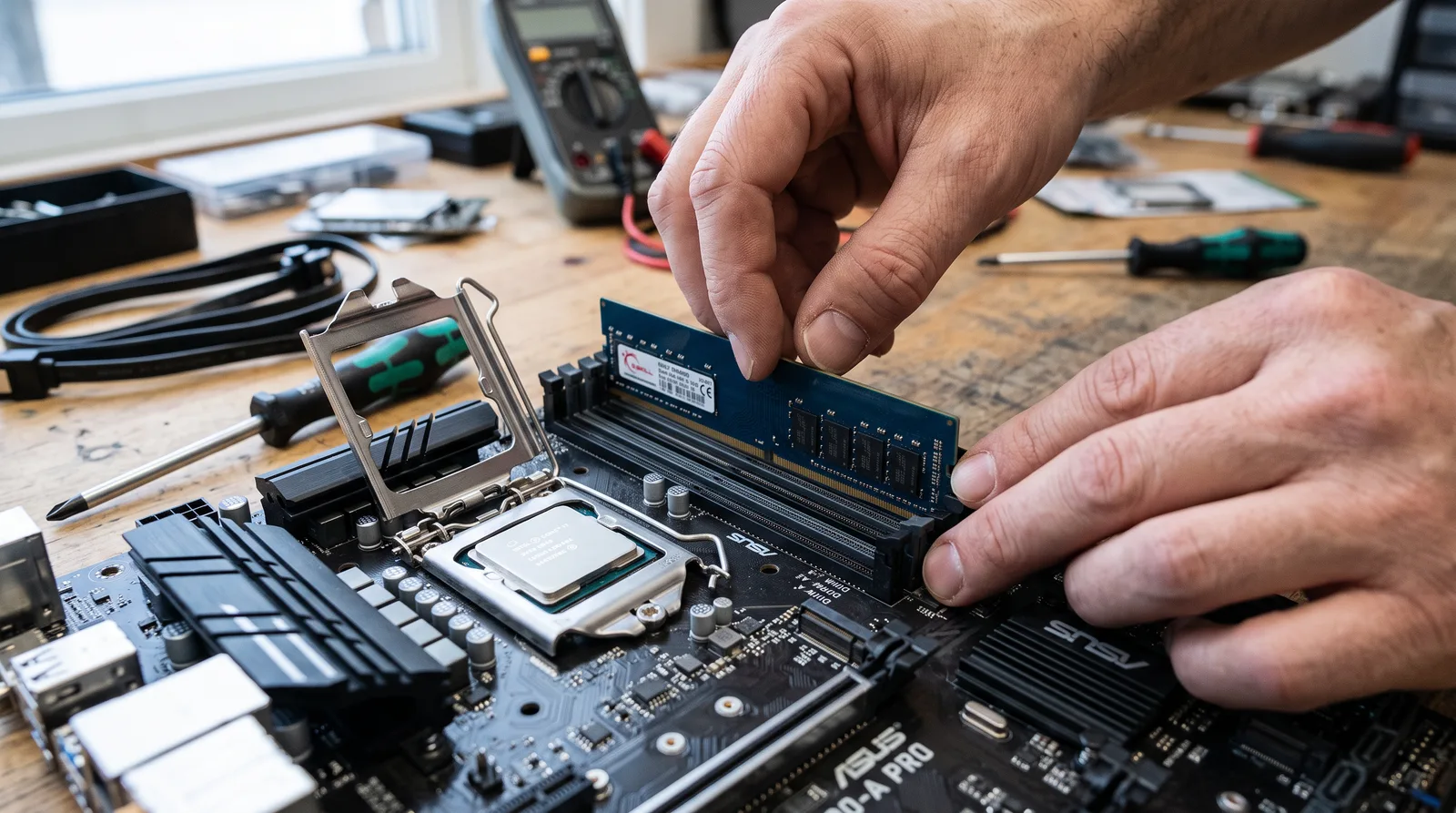
- Identify and explain core hardware components — CPUs, RAM, storage, and motherboards — and understand how they work together inside a computer
- Navigate and troubleshoot Windows, macOS, and Linux operating systems with confidence at a foundational level
- Describe how networks function, including IP addressing, DNS, Wi-Fi, and common network topologies
- Recognize and apply fundamental cybersecurity principles, including common threats, authentication methods, and basic defense strategies
- Understand software development concepts, databases, and programming logic well enough to collaborate effectively with technical teams
- Pass the CompTIA Tech+ (FC0-U71) certification exam by mastering all official exam objectives and practicing with realistic exam-style questions
How it works
A school that adapts to you
This isn't a set of static videos. Every lesson is generated live and tuned to where you actually are.
We learn your level
A quick placement check tailors your starting point so you're never bored or lost.
Lessons adapt as you go
Each lesson is written for your pace and your goal, adjusting as your skills grow.
Your AI coach keeps you moving
Checkpoints, feedback, and gentle nudges turn progress into a real result.
The curriculum
What's inside your school
28 modules · 139 lessons

Understanding Information Technology
This topic introduces learners to the fundamentals of Information Technology, its role in modern
society, how computers support personal and business activities, the different types of technology
users, and the wide range of career opportunities available within the IT industry.
- 1.1What is Information TechnologyIncluded
- 1.2How Technology Impacts Everyday LifeIncluded
- 1.3Common Uses of ComputersIncluded
- 1.4Types of Technology UsersIncluded
- 1.5IT Career Paths OverviewIncluded
Computing Fundamentals
This topic introduces the fundamental concepts of computing, including data and information,
hardware and software, the information processing cycle, digital devices, and operating systems.
Learners will develop a foundational understanding of how computer systems function and support
everyday tasks.
- 2.1Data vs InformationIncluded
- 2.2AI knowledge check and feedback assessmentIncluded
- 2.3Input, Processing, Output and StorageIncluded
- 2.4Understanding Digital DevicesIncluded
- 2.5The Role of Operating SystemsIncluded
Introduction to Binary
This topic introduces the binary number system that powers all modern computing devices.
Learners will understand bits, bytes, binary counting, number conversion, and how computers
represent text, images, audio, video, and other digital information using binary code.
- 3.1Why Computers Use BinaryIncluded
- 3.2Bits and BytesIncluded
- 3.3Binary Counting BasicsIncluded
- 3.4Converting Binary to DecimalIncluded
- 3.5Digital Data RepresentationIncluded
Computer Components
This topic introduces the major internal components of a computer system. Learners will explore
motherboards, processors, memory, storage devices, expansion cards, and ports while understanding
how these components work together to enable computing, communication, and data processing.
- 4.1Motherboards ExplainedIncluded
- 4.2Understanding CPUsIncluded
- 4.3Computer Memory (RAM)Included
- 4.4Storage Devices OverviewIncluded
- 4.5Expansion Cards and PortsIncluded
Storage Technologies
This topic explores modern storage technologies used to save, retrieve, and protect digital
information. Learners will compare storage devices, understand their advantages and limitations,
and develop the skills needed to select appropriate storage solutions for different computing
environments
- 5.1Hard Disk Drives (HDDs)Included
- 5.2Solid State Drives (SSDs)Included
- 5.3USB Flash DrivesIncluded
- 5.4Cloud Storage BasicsIncluded
- 5.5Choosing Storage SolutionsIncluded
Input and Output Devices
This topic introduces devices used to enter information into computers and receive information
from them. Learners will explore common input and output technologies and understand how users
interact with digital systems efficiently and effectively.
- 6.1Keyboards and MiceIncluded
- 6.2Monitors and DisplaysIncluded
- 6.3Printers and ScannersIncluded
- 6.4Cameras and MicrophonesIncluded
- 6.5Accessibility DevicesIncluded
Mobile Devices
This topic introduces mobile computing technologies and explores the devices that enable users to
communicate, work, learn, and access information anywhere. Learners will understand mobile
hardware, software, maintenance, and emerging mobile technology trends.
- 7.1Smartphones ExplainedIncluded
- 7.2Tablets and E-ReadersIncluded
- 7.3Wearable TechnologyIncluded
- 7.4Mobile Device ComponentsIncluded
- 7.5Mobile Device MaintenanceIncluded
Understanding Operating Systems
This topic introduces operating systems and their critical role in managing computer hardware,
software, files, users, and system resources. Learners will explore common operating systems,
graphical and command-line interfaces, and understand how operating systems enable computers to
function efficiently
- 8.1What is an Operating System?Included
- 8.2Functions of an Operating SystemIncluded
- 8.3Popular Operating SystemsIncluded
- 8.4Graphical User Interfaces (GUI)Included
- 8.5Command Line Interfaces (CLI)Included
Windows Fundamentals
This topic introduces Microsoft Windows and its essential features. Learners will develop practical
skills for navigating the Windows environment, managing files, configuring settings, maintaining
systems, and using common tools found in modern Windows operating systems.
- 9.1Navigating WindowsIncluded
- 9.2File Explorer BasicsIncluded
- 9.3User AccountsIncluded
- 9.4Settings and Control PanelIncluded
- 9.5Windows MaintenanceIncluded
File Management
This topic develops essential file management skills required for organizing, storing, protecting, and
recovering digital information. Learners will learn how files and folders work, understand file types,
implement backup strategies, and recover lost or deleted data.
- 10.1Files and FoldersIncluded
- 10.2File ExtensionsIncluded
- 10.3Creating and Organizing FilesIncluded
- 10.4Backing Up DataIncluded
- 10.5Recovering Lost FilesIncluded
Understanding Software
This topic introduces software as the set of instructions that enables computers and digital devices
to perform useful tasks. Learners will explore different software categories, licensing models,
ownership rights, and how software supports personal, educational, and business activities.
- 11.1System SoftwareIncluded
- 11.2Application SoftwareIncluded
- 11.3Open Source SoftwareIncluded
- 11.4Proprietary SoftwareIncluded
- 11.5Software LicensingIncluded
Productivity Software
This topic introduces software applications commonly used to create documents, analyze data,
communicate, collaborate, and present information. Learners will develop practical productivity
skills applicable to academic, personal, and professional environments.
- 12.1Word Processing ApplicationsIncluded
- 12.2Spreadsheet ApplicationsIncluded
- 12.3Presentation SoftwareIncluded
- 12.4Email ApplicationsIncluded
- 12.5Collaboration ToolsIncluded
Installing and Managing Software
This topic develops practical skills for installing, updating, maintaining, troubleshooting, and
removing software. Learners will understand software lifecycle management and apply best
practices for keeping applications secure, functional, and optimized.
- 13.1Software Installation MethodsIncluded
- 13.2Updating ApplicationsIncluded
- 13.3Uninstalling ProgramsIncluded
- 13.4Software TroubleshootingIncluded
- 13.5Mobile Apps ManagementIncluded
Networking Basics
This topic introduces the fundamentals of computer networking and explains how devices
communicate and share information. Learners will explore network types, benefits, components,
and communication methods while developing a foundational understanding of modern networked
environments
- 14.1What is a Network?Included
- 14.2Types of NetworksIncluded
- 14.3Benefits of NetworkingIncluded
- 14.4Network ComponentsIncluded
- 14.5Wired vs Wireless NetworksIncluded
Internet Fundamentals
This topic introduces the Internet and the technologies that make global communication possible.
Learners will explore websites, browsers, search engines, domain names, and cloud computing
while developing essential internet literacy skills for personal and professional use.
- 15.1What is the Internet?Included
- 15.2Websites and Web BrowsersIncluded
- 15.3Search EnginesIncluded
- 15.4Domain NamesIncluded
- 15.5Cloud Computing OverviewIncluded
Wireless Technologies
This topic explores wireless communication technologies that connect modern devices. Learners
will understand Wi-Fi, Bluetooth, cellular networks, hotspots, and wireless security while
developing practical skills for configuring and securing wireless connections.
- 16.1Wi-Fi StandardsIncluded
- 16.2Bluetooth TechnologyIncluded
- 16.3Mobile Networks (3G, 4G, 5G)Included
- 16.4Hotspots and TetheringIncluded
- 16.5Wireless SecurityIncluded
Understanding Databases
This topic introduces databases and their role in storing, organizing, managing, and retrieving
information. Learners will explore data types, database applications, organizational benefits, and
career opportunities while developing a foundational understanding of modern data management
systems.
- 17.1What is a Database?Included
- 17.2Why Organizations Use DatabasesIncluded
- 17.3Structured vs Unstructured DataIncluded
- 17.4Database ExamplesIncluded
- 17.5Database CareersIncluded
Database Components
This topic introduces the building blocks of databases, including tables, records, fields, keys,
relationships, and integrity controls. Learners will understand how databases are structured and how
data is organized for efficient management and retrieval
- 18.1TablesIncluded
- 18.2Records and FieldsIncluded
- 18.3Primary KeysIncluded
- 18.4RelationshipsIncluded
- 18.5Data IntegrityIncluded
Working with Data
This topic develops practical skills for entering, organizing, searching, analyzing, and presenting
information within databases. Learners will explore common data operations and learn how
organizations transform raw information into useful insights and reports
- 19.1Data Entry PrinciplesIncluded
- 19.2Sorting DataIncluded
- 19.3Filtering DataIncluded
- 19.4Query ConceptsIncluded
- 19.5Reports and DashboardsIncluded
Programming Concepts
This topic introduces programming as the process of creating instructions that computers follow to
perform tasks. Learners will explore programming languages, software development concepts, realworld applications, and career opportunities while building a foundation for future coding studies.
- 20.1What is Programming?Included
- 20.2Programming Languages OverviewIncluded
- 20.3Compiled vs Interpreted LanguagesIncluded
- 20.4Applications of ProgrammingIncluded
- 20.5Software Development CareersIncluded
Logic Development
This topic develops logical thinking and problem-solving skills used in programming. Learners will
explore algorithms, flowcharts, pseudocode, decision-making structures, and systematic approaches
to solving technical and non-technical problems.
- 21.1Algorithms ExplainedIncluded
- 21.2FlowchartsIncluded
- 21.3PseudocodeIncluded
- 21.4Decision Making LogicIncluded
- 21.5Problem Solving TechniquesIncluded
Introduction to Coding
This topic introduces fundamental coding concepts used in most programming languages. Learners
will explore variables, data types, input/output operations, loops, and functions while building a
practical foundation for writing and understanding simple computer programs.
- 22.1VariablesIncluded
- 22.2Data TypesIncluded
- 22.3Input and OutputIncluded
- 22.4Loops and RepetitionIncluded
- 22.5Functions and ProceduresIncluded
Security Basics
This topic introduces cybersecurity concepts and explains the importance of protecting digital
systems, networks, devices, and information. Learners will explore common threats, security
terminology, best practices, and develop awareness skills necessary for safe technology use.
- 23.1What is Cybersecurity?Included
- 23.2Common Cyber ThreatsIncluded
- 23.3Security TerminologyIncluded
- 23.4Security Best PracticesIncluded
- 23.5Security AwarenessIncluded
Threats and Attacks
This topic explores common cyber threats and attack methods used by cybercriminals. Learners will
understand malware, phishing, ransomware, and social engineering techniques while developing the
ability to recognize and respond appropriately to cybersecurity risks.
- 24.1Malware TypesIncluded
- 24.2Viruses and WormsIncluded
- 24.3Phishing AttacksIncluded
- 24.4Social EngineeringIncluded
- 24.5RansomwareIncluded
Protecting Systems
This topic develops practical cybersecurity skills used to protect devices, accounts, and information.
Learners will explore passwords, authentication, antivirus tools, firewalls, and safe online practices
that reduce exposure to digital threats.
- 25.1Password SecurityIncluded
- 25.2Multi-Factor AuthenticationIncluded
- 25.3Antivirus SoftwareIncluded
- 25.4Firewalls ExplainedIncluded
- 25.5Safe Internet PracticesIncluded
Privacy and Data Protection
This topic focuses on protecting personal information and maintaining privacy in digital
environments. Learners will explore privacy principles, secure transactions, social media safety, and
digital footprints while developing responsible online behaviors
- 26.1Personal Information SecurityIncluded
- 26.2Data Privacy PrinciplesIncluded
- 26.3Secure Online TransactionIncluded
- 26.4Social Media SecurityIncluded
- 26.5Digital FootprintsIncluded
Cloud Computing
This topic introduces cloud computing and explains how computing resources, applications, and
services are delivered over the Internet. Learners will explore cloud deployment models, service
offerings, benefits, risks, and major cloud providers shaping modern technology environments.
- 27.1What is Cloud Computing?Included
- 27.2Cloud Service ModelsIncluded
- 27.3Public, Private and Hybrid CloudsIncluded
- 27.4Cloud Benefits and RisksIncluded
- 27.5Popular Cloud ProvidersIncluded
Artificial Intelligence
This topic introduces artificial intelligence and explores how machines can perform tasks that
traditionally require human intelligence. Learners will examine machine learning, generative AI,
practical applications, ethical considerations, and responsible use of AI technologies.
- 28.1Introduction to AIIncluded
- 28.2Machine Learning BasicsIncluded
- 28.3Generative AIIncluded
- 28.4AI in Everyday LifeIncluded
Who it's for
Is this you?

The career-changer
Ready to leave a non-tech role behind, they need a recognized first credential that proves to hiring managers they're serious about IT — and this course builds exactly that foundation.

The recent graduate
Fresh out of school with a non-technical degree, she wants to pivot into technology and needs a structured, beginner-friendly path to her first IT certification.

The late-career explorer
With decades of work experience in other fields, he's always been curious about tech and now wants a credential — and the confidence — to explore IT professionally for the first time.

The self-taught tinkerer
She knows her way around a computer but has never formalized her knowledge — this course fills in the gaps and turns hands-on curiosity into a certification-backed skill set.

The IT-adjacent professional
He works alongside developers and sysadmins every day but doesn't fully speak the language — Tech+ Foundations gives him the vocabulary and understanding to collaborate far more effectively.

The returning workforce re-entrant
After time away from the workforce, she's looking for a credential that opens doors in a growing field — and this course meets her exactly where she is, no prior tech background required.
Questions
Frequently asked
Your teacher
A note from your teacher

GCSE Courses
If you're reading this, there's a good chance you're standing at a door you're not sure you're allowed to walk through. Maybe you've been telling yourself that tech is "for other people" — for people who grew up coding, or who got the right degree, or who somehow just get computers in a way you never have. I want you to know something: I've seen that exact feeling in almost everyone who's ever started their IT journey, and I've seen it disappear, every single time, when the right explanation finally lands.
That's what I built this course to do. Tech+ Foundations isn't a collection of slides that recite the exam objectives back at you. It's a guided, patient, carefully sequenced experience that starts where you actually are — at the very beginning — and walks you forward one concept at a time. We talk about CPUs the way you'd explain them to a smart friend, not the way a textbook defines them. We treat networking like the logical puzzle it actually is. We take cybersecurity seriously without turning it into a fear spiral. And we never drop a piece of jargon without first making sure you know what it means.
Here's the truth about the CompTIA Tech+: it's an achievable exam. It doesn't require years of experience. What it requires is a solid, connected understanding of how technology works — hardware, operating systems, networking, security, software — and the ability to apply that understanding to realistic scenarios. This course builds exactly that understanding, from the ground up, with every single official exam objective covered before you're done.
I also know that studying for a certification while balancing a job, a family, or a career transition is genuinely hard. So I've built this course to respect your time: every lesson is as clear and efficient as I can make it, nothing is padded, and the practice questions throughout the curriculum mean you're always moving toward exam readiness — not just toward the end of a module.
You don't need to already be "a tech person" to earn this certification. You just need to start. And I'll be with you every step of the way. Let's build your foundation.
— GCSE Courses
Start your journey today
Get instant access — learn at your own pace with an AI coach in your corner.
$39/mo
Recurring billing · cancel anytime
Enrolling a child? Sign up as a parent — you'll add your student right here after.
Secure checkout · Instant access
- 28 modules, 139 lessons
- AI-adaptive lessons tuned to your level
- Quizzes & checkpoints to lock in progress
- Your own AI learning coach
- Learn on any device, at your pace
- Full access for as long as you're subscribed